Buy qou.eu ?
We are moving the project
qou.eu .
Are you interested in purchasing the domain
qou.eu ?
domain@kv-gmbh.de · 0541-91531010
Buy qou.eu ?
What is the difference between the courses Applied Computer Science - Software Engineering and Applied Computer Science - Engineering Computer Science?
The main difference between the courses Applied Computer Science - Software Engineering and Applied Computer Science - Engineering Computer Science lies in their focus areas. Applied Computer Science - Software Engineering typically emphasizes the design, development, and maintenance of software systems, while Applied Computer Science - Engineering Computer Science focuses more on the broader aspects of computer science, including hardware, networking, and system architecture. Students in Software Engineering may delve deeper into programming languages, software testing, and project management, whereas students in Engineering Computer Science may explore topics like computer organization, algorithms, and data structures. Ultimately, the choice between the two courses depends on whether one's interests lie more in software development or a broader understanding of computer science principles. **
Which computer science education is meaningful?
Computer science education that is meaningful is one that goes beyond just teaching coding skills. It should focus on problem-solving, critical thinking, and creativity, as well as ethical considerations and real-world applications. Meaningful computer science education should also be inclusive and accessible to all students, regardless of their background or prior experience. Ultimately, a meaningful computer science education should empower students to use technology to make a positive impact on the world around them. **


Similar search terms for Computer Science
Top-Angebote
Products related to Computer Science:
-
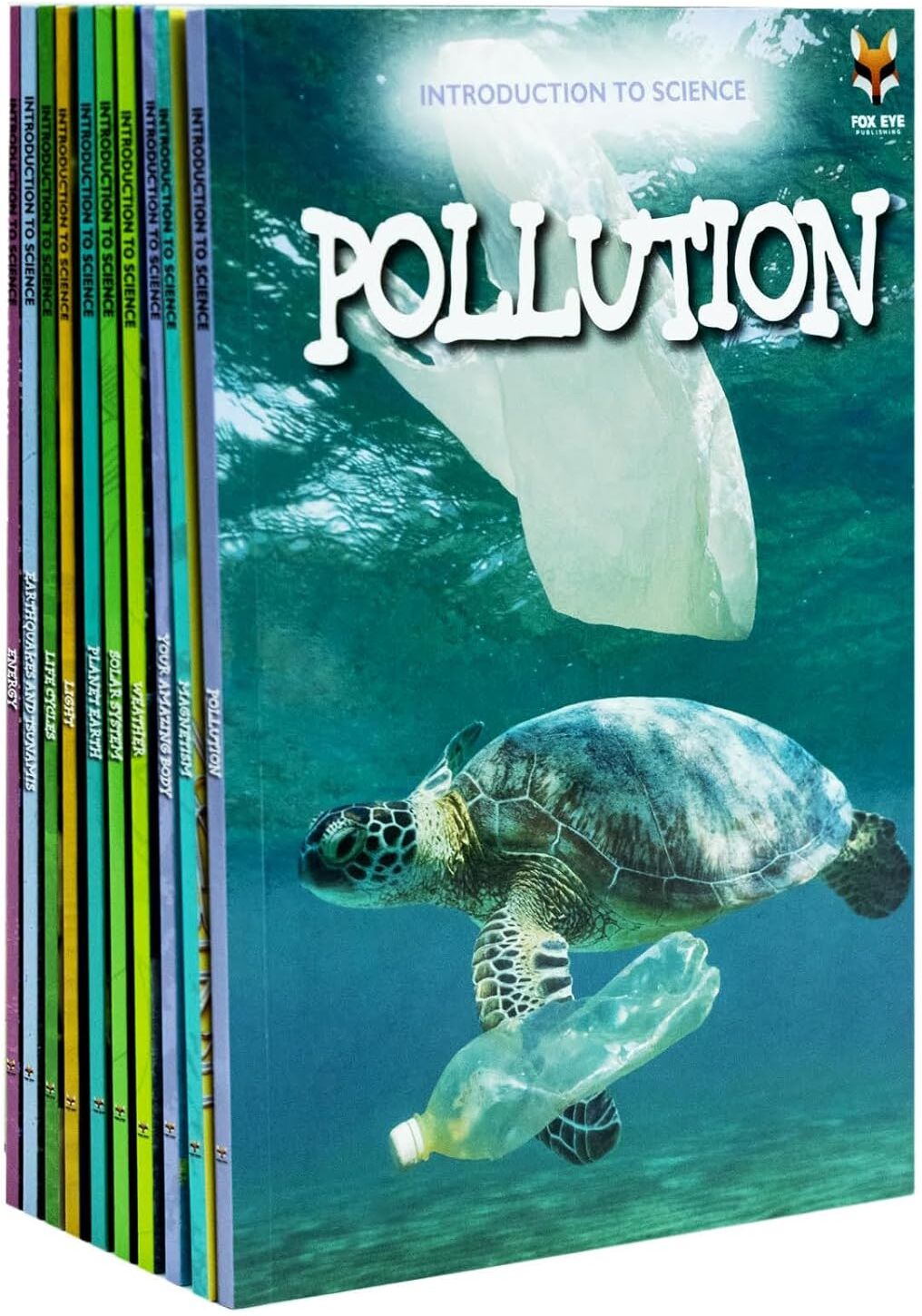
Fox Eye Publishing Introduction to Science for Beginners Series 2 – 10 Books Collection Set – Educational Science Learning CollectionThe 'Introduction to Science Series 2' comprises a comprehensive 10-book set that delves into fundamental scientific concepts across various domains. Each book offers an accessible and engaging exploration of its specific topic, making science approachable for learners of all levels. Here's a breakdown of the titles included: Introduction to Energy: What is energy and how do we use it? Find out about the amazing power of energy inside. Introduction to Earthquakes and Tsunamis: What are earthquakes and tsunamis and what causes them? Find out the answers to these questions and many more inside. Introduction to Planet Earth: Our Earth has amazing rivers, sky-scraping mountains, hot deserts and more! Find out more about it inside. Introduction to Solar System: What is a solar system and what is in our Solar System? Find out the answer to this question and many more inside. Introduction to Weather: How is weather made and how do we study and measure it? Find out about our amazing world of weather inside. Introduction to Life Cycles: What are life cycles and how do they work? Find out about the amazing world of life cycles inside. Introduction to Light: What is light and how do we use it? Find out about the amazing power of light inside. Introduction to Magnetism: What is magnetism and how do we use it? Find out about the amazing force of magnetism inside. Introduction to Your Amazing Body: What awesome things happen inside your body every day? Find out about your amazing body inside. Introduction to Pollution: What is pollution and how is it damaging our world? Find out about pollution and what we can do to stop it inside. This series serves as an invaluable resource, offering a gateway to scientific knowledge and fostering a profound appreciation for the wonders of the natural world while promoting an understanding of key scientific principles.9,99 £*Shipping: 2,99 £Secure redirect to the provider
-
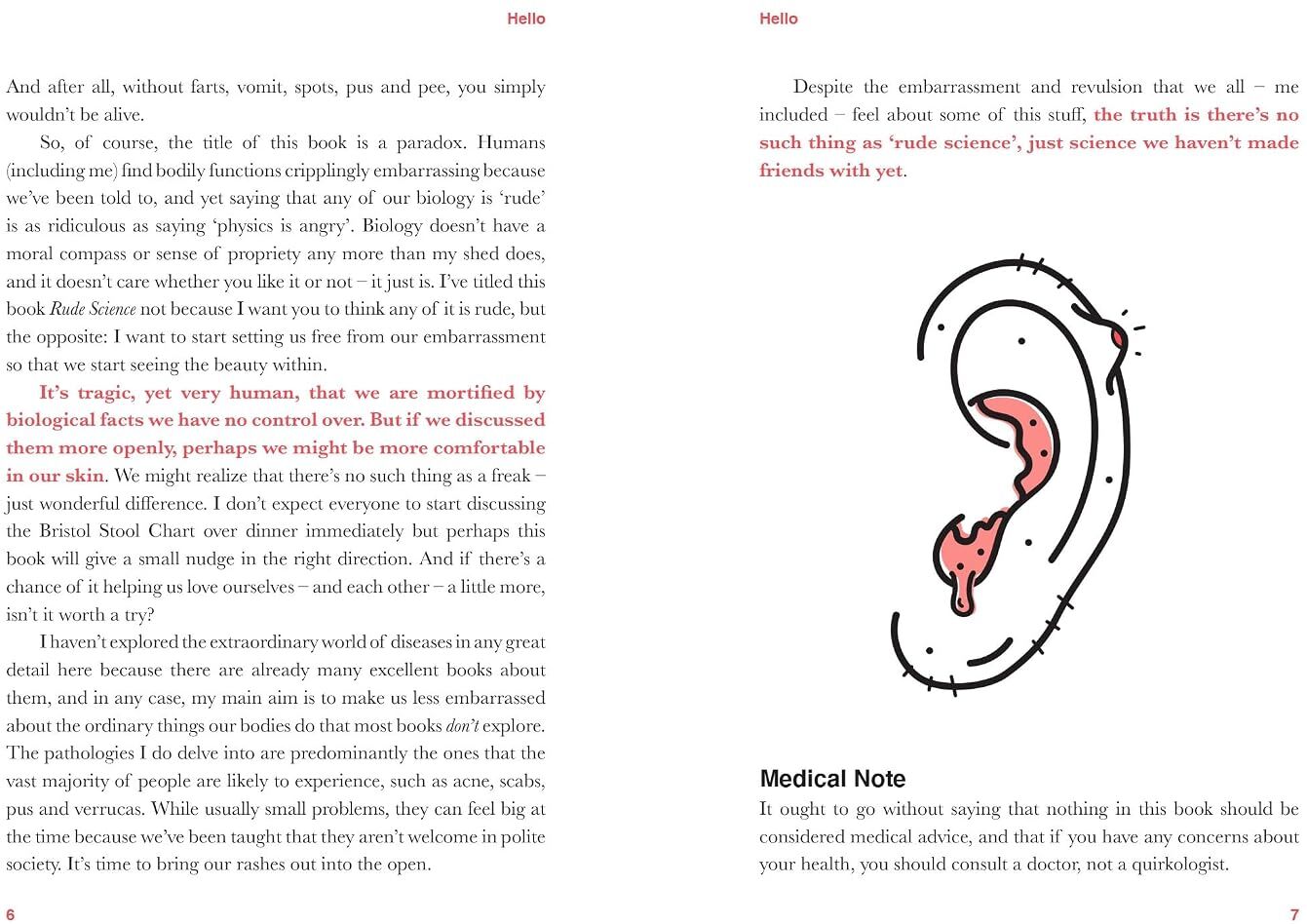
Quadrille Rude Science by Stefan Gates - Hardback - Funny Kids Science Book - Ages 9-12 - Gross Body Facts & Fun STEM Learning GiftRude Science is a humorous and fact-packed exploration of the human body's bodily functions that everyone is curious about but too embarrassed to ask about. Written by broadcaster and quirkologist Stefan Gates, this hardback book delves into snot, ear wax, toe cheese, nipples and more, blending genuine science with laugh-out-loud humour. Perfect for curious kids, reluctant readers and those interested in gross facts, it turns everyday biology into an engaging and entertaining read. The book follows on from Stefan Gates' bestselling Fartology, where he turns his inquisitive eye to the rest of the human body's weirder workings in Rude Science. This isn't your average biology textbook — it's a cheeky, fact-dense romp through the substances and functions that fascinate and slightly disgust us all. Published by Quadrille, this hardback book is suitable for readers aged 9-12 and is in brand new condition.5,99 £*Shipping: 2,99 £Secure redirect to the provider
-
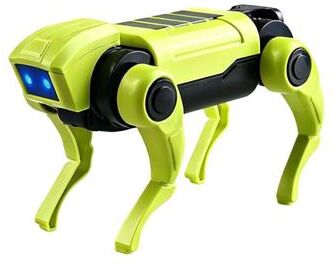
The Handy Homestead Electric Robot Dog Toy For Kids Science & Learning aUnleash your childs curiosity with the DIY Electric Bionic Robot Dog Toy. Perfect for young innovators, this interactive mechanical dog combines handson assembly with exciting movement, sparking both learning and fun. Designed for boys and girls, it...41,97 $*Shipping: 0,00 $Secure redirect to the provider
-
Arcturus Editions Computer Science for Curious Kids: An Illustrated Introduction to Software Programming, Artificial Intelligence, Cyber-Security-And More!Give young readers the gift of knowledge, with this beautifully illustrated, inspirational, and accessible book. Discover how scientific ideas can be harnessed to create computer programs that make our lives easier, help us to work more efficiently, and fill our leisure time with fun. Explore key ideas in computer science such as algorithms, graphics, networking, and intelligent systems. See how software has developed from its earliest days, and what computer scientists of the future may achieve. In this series, big new concepts pop off the page, thanks to vibrant diagrams and an engaging, energetic prose style. Kids will relish sharing them with friends and family! Discover a new way of looking at the world with this wide-ranging celebration of the subject of computer science. A great gift for readers aged 8-12.8,99 £*Shipping: 2,99 £Secure redirect to the provider

-
Which computer science education makes sense?
Computer science education that is practical, hands-on, and relevant to real-world applications makes the most sense. This type of education should focus on teaching programming languages, problem-solving skills, and critical thinking, as well as providing opportunities for students to work on projects and collaborate with others. Additionally, a curriculum that is updated regularly to keep pace with advancements in technology and industry trends is essential for preparing students for successful careers in the field. Ultimately, a well-rounded computer science education that combines theoretical knowledge with practical skills is the most effective in preparing students for the demands of the industry. **
-
Is computer science a natural science?
Computer science is not considered a natural science, but rather a formal science. Natural sciences, such as biology, chemistry, and physics, study the natural world and its phenomena. In contrast, computer science focuses on the study of algorithms, data structures, and the design and analysis of computational systems. While computer science may draw on principles from mathematics and engineering, it is not classified as a natural science. **
-
Is computer science or a computer science degree future-proof?
Computer science as a field is considered to be future-proof due to its ever-evolving nature and its relevance in various industries. A computer science degree provides a strong foundation in problem-solving, critical thinking, and technical skills that are highly sought after in today's digital world. With the increasing reliance on technology and the continuous advancements in the field, individuals with a computer science degree are likely to have a wide range of career opportunities and job security in the future. **
-
What are the differences between Computer Science and Applied Computer Science?
Computer Science is a broad field that focuses on the theoretical foundations of computation and algorithms, as well as the design and development of software and hardware systems. On the other hand, Applied Computer Science is more focused on the practical application of computer science principles to solve real-world problems. Applied Computer Science often involves working on specific projects or applications, while Computer Science may involve more theoretical research and study. Additionally, Applied Computer Science may require a deeper understanding of specific industries or domains in order to effectively apply computer science concepts. **


What are the differences between computer science and applied computer science?
Computer science is a broad field that focuses on the theoretical foundations of computation and information processing, including algorithms, data structures, and programming languages. On the other hand, applied computer science is more focused on the practical application of computer science principles to solve real-world problems. Applied computer science often involves working with specific technologies and tools to develop software applications, systems, or solutions for specific industries or domains. In summary, computer science is more theoretical and foundational, while applied computer science is more practical and focused on real-world applications. **
What is the difference between applied computer science and computer science?
Computer science is a broad field that encompasses the study of algorithms, data structures, programming languages, and the theoretical foundations of computing. It focuses on the principles and theories behind computing systems. On the other hand, applied computer science is the practical application of computer science principles to solve real-world problems. It involves using the knowledge and skills gained from computer science to develop software, design systems, and create solutions for specific applications in various industries. Applied computer science often involves a more hands-on, practical approach to using computer science concepts in real-world scenarios. **
Top-Angebote
Products related to Computer Science:
-
Collins Easy Learning Lower Secondary Science Student's Book: Stage 7 (Collins Cambridge Lower Secondary Science)This Lower Secondary Science Student's Book: Stage 7 is designed to support learners stepping into the middle years of science education with confidence. It sits at the heart of the Cambridge Lower Secondary Science framework, offering a clear, structured pathway through essential concepts and skills. The book is built to be accessible in the classroom and supportive at home, helping students translate theory into real-world understanding. It aims to strengthen scientific thinking by presenting ideas in straightforward language, complemented by diagrams and practical examples that illustrate how science works in everyday life. The book's design prioritises progression and clarity, making it easier for teachers to plan lessons and for students to revise effectively between terms. It is a brand new paperback book with ISBN 9780141500812, published by Collins Easy Learning.2,99 £*Shipping: 2,99 £Secure redirect to the provider
-
OM Books International 365 Science and Technology Facts365 Science and Technology facts is JAM packed with fascinating facts and easy-to-digest information on Science and Technology that is bound to leave the young learners WONDERSTRUCK and delighted. This visually enthralling and informative book is a sure treat for the inquisitive young minds!. 365 Science and Technology facts is JAM packed with fascinating facts and easy-to-digest information on Science and Technology that is bound to leave the young learners WONDERSTRUCK and delighted. This visually enthralling and informative book is a sure treat for the inquisitive young minds!6,99 £*Shipping: 2,99 £Secure redirect to the provider
-
Fox Eye Publishing Introduction to Science for Beginners Series 2 – 10 Books Collection Set – Educational Science Learning CollectionThe 'Introduction to Science Series 2' comprises a comprehensive 10-book set that delves into fundamental scientific concepts across various domains. Each book offers an accessible and engaging exploration of its specific topic, making science approachable for learners of all levels. Here's a breakdown of the titles included: Introduction to Energy: What is energy and how do we use it? Find out about the amazing power of energy inside. Introduction to Earthquakes and Tsunamis: What are earthquakes and tsunamis and what causes them? Find out the answers to these questions and many more inside. Introduction to Planet Earth: Our Earth has amazing rivers, sky-scraping mountains, hot deserts and more! Find out more about it inside. Introduction to Solar System: What is a solar system and what is in our Solar System? Find out the answer to this question and many more inside. Introduction to Weather: How is weather made and how do we study and measure it? Find out about our amazing world of weather inside. Introduction to Life Cycles: What are life cycles and how do they work? Find out about the amazing world of life cycles inside. Introduction to Light: What is light and how do we use it? Find out about the amazing power of light inside. Introduction to Magnetism: What is magnetism and how do we use it? Find out about the amazing force of magnetism inside. Introduction to Your Amazing Body: What awesome things happen inside your body every day? Find out about your amazing body inside. Introduction to Pollution: What is pollution and how is it damaging our world? Find out about pollution and what we can do to stop it inside. This series serves as an invaluable resource, offering a gateway to scientific knowledge and fostering a profound appreciation for the wonders of the natural world while promoting an understanding of key scientific principles.9,99 £*Shipping: 2,99 £Secure redirect to the provider
-
Quadrille Rude Science by Stefan Gates - Hardback - Funny Kids Science Book - Ages 9-12 - Gross Body Facts & Fun STEM Learning GiftRude Science is a humorous and fact-packed exploration of the human body's bodily functions that everyone is curious about but too embarrassed to ask about. Written by broadcaster and quirkologist Stefan Gates, this hardback book delves into snot, ear wax, toe cheese, nipples and more, blending genuine science with laugh-out-loud humour. Perfect for curious kids, reluctant readers and those interested in gross facts, it turns everyday biology into an engaging and entertaining read. The book follows on from Stefan Gates' bestselling Fartology, where he turns his inquisitive eye to the rest of the human body's weirder workings in Rude Science. This isn't your average biology textbook — it's a cheeky, fact-dense romp through the substances and functions that fascinate and slightly disgust us all. Published by Quadrille, this hardback book is suitable for readers aged 9-12 and is in brand new condition.5,99 £*Shipping: 2,99 £Secure redirect to the provider
-
What is the difference between the courses Applied Computer Science - Software Engineering and Applied Computer Science - Engineering Computer Science?
The main difference between the courses Applied Computer Science - Software Engineering and Applied Computer Science - Engineering Computer Science lies in their focus areas. Applied Computer Science - Software Engineering typically emphasizes the design, development, and maintenance of software systems, while Applied Computer Science - Engineering Computer Science focuses more on the broader aspects of computer science, including hardware, networking, and system architecture. Students in Software Engineering may delve deeper into programming languages, software testing, and project management, whereas students in Engineering Computer Science may explore topics like computer organization, algorithms, and data structures. Ultimately, the choice between the two courses depends on whether one's interests lie more in software development or a broader understanding of computer science principles. **
-
Which computer science education is meaningful?
Computer science education that is meaningful is one that goes beyond just teaching coding skills. It should focus on problem-solving, critical thinking, and creativity, as well as ethical considerations and real-world applications. Meaningful computer science education should also be inclusive and accessible to all students, regardless of their background or prior experience. Ultimately, a meaningful computer science education should empower students to use technology to make a positive impact on the world around them. **
-
Which computer science education makes sense?
Computer science education that is practical, hands-on, and relevant to real-world applications makes the most sense. This type of education should focus on teaching programming languages, problem-solving skills, and critical thinking, as well as providing opportunities for students to work on projects and collaborate with others. Additionally, a curriculum that is updated regularly to keep pace with advancements in technology and industry trends is essential for preparing students for successful careers in the field. Ultimately, a well-rounded computer science education that combines theoretical knowledge with practical skills is the most effective in preparing students for the demands of the industry. **
-
Is computer science a natural science?
Computer science is not considered a natural science, but rather a formal science. Natural sciences, such as biology, chemistry, and physics, study the natural world and its phenomena. In contrast, computer science focuses on the study of algorithms, data structures, and the design and analysis of computational systems. While computer science may draw on principles from mathematics and engineering, it is not classified as a natural science. **
Similar search terms for Computer Science
-
The Handy Homestead Electric Robot Dog Toy For Kids Science & Learning aUnleash your childs curiosity with the DIY Electric Bionic Robot Dog Toy. Perfect for young innovators, this interactive mechanical dog combines handson assembly with exciting movement, sparking both learning and fun. Designed for boys and girls, it...41,97 $*Shipping: 0,00 $Secure redirect to the provider
-
Arcturus Editions Computer Science for Curious Kids: An Illustrated Introduction to Software Programming, Artificial Intelligence, Cyber-Security-And More!Give young readers the gift of knowledge, with this beautifully illustrated, inspirational, and accessible book. Discover how scientific ideas can be harnessed to create computer programs that make our lives easier, help us to work more efficiently, and fill our leisure time with fun. Explore key ideas in computer science such as algorithms, graphics, networking, and intelligent systems. See how software has developed from its earliest days, and what computer scientists of the future may achieve. In this series, big new concepts pop off the page, thanks to vibrant diagrams and an engaging, energetic prose style. Kids will relish sharing them with friends and family! Discover a new way of looking at the world with this wide-ranging celebration of the subject of computer science. A great gift for readers aged 8-12.8,99 £*Shipping: 2,99 £Secure redirect to the provider
-
Lisciani I'm A Genius 101 Experiments - Science Kit for Kids - Hands-On LearningHands-on science kit with 101 experiments across chemistry, physics, biology. Includes reusable board and sticker-based Science Map for progress tracking. Safe materials for family use.20,79 £*Shipping: 3,95 £Secure redirect to the provider
-
Lisciani I'm A Genius Electricity Science Kit - Educational Electronics Component for STEM LearningDiscover how electricity works with the Lisciani I'm A Genius Electricity Science Kit. This hands-on science set from Lisciani, a trusted name in educational kits, helps you understand abstract ideas through at-home experiments using everyday objects. The kit guides you through practical activities that illuminate circuits, current, and energy flow using items found in your kitchen, garage, or classroom. It's perfect for curious learners who want to explore home science experiments and STEM learning. With clear explanations and flexible, at-home setup, you can perform experiments solo or with small groups. This science kit is ideal for building practical science skills and boosting confidence in electricity.16,69 £*Shipping: 3,95 £Secure redirect to the provider
-
Is computer science or a computer science degree future-proof?
Computer science as a field is considered to be future-proof due to its ever-evolving nature and its relevance in various industries. A computer science degree provides a strong foundation in problem-solving, critical thinking, and technical skills that are highly sought after in today's digital world. With the increasing reliance on technology and the continuous advancements in the field, individuals with a computer science degree are likely to have a wide range of career opportunities and job security in the future. **
-
What are the differences between Computer Science and Applied Computer Science?
Computer Science is a broad field that focuses on the theoretical foundations of computation and algorithms, as well as the design and development of software and hardware systems. On the other hand, Applied Computer Science is more focused on the practical application of computer science principles to solve real-world problems. Applied Computer Science often involves working on specific projects or applications, while Computer Science may involve more theoretical research and study. Additionally, Applied Computer Science may require a deeper understanding of specific industries or domains in order to effectively apply computer science concepts. **
-
What are the differences between computer science and applied computer science?
Computer science is a broad field that focuses on the theoretical foundations of computation and information processing, including algorithms, data structures, and programming languages. On the other hand, applied computer science is more focused on the practical application of computer science principles to solve real-world problems. Applied computer science often involves working with specific technologies and tools to develop software applications, systems, or solutions for specific industries or domains. In summary, computer science is more theoretical and foundational, while applied computer science is more practical and focused on real-world applications. **
-
What is the difference between applied computer science and computer science?
Computer science is a broad field that encompasses the study of algorithms, data structures, programming languages, and the theoretical foundations of computing. It focuses on the principles and theories behind computing systems. On the other hand, applied computer science is the practical application of computer science principles to solve real-world problems. It involves using the knowledge and skills gained from computer science to develop software, design systems, and create solutions for specific applications in various industries. Applied computer science often involves a more hands-on, practical approach to using computer science concepts in real-world scenarios. **
* All prices are inclusive of VAT and, if applicable, plus shipping costs. The offer information is based on the details provided by the respective shop and is updated through automated processes. Real-time updates do not occur, so deviations can occur in individual cases. ** Note: Parts of this content were created by AI.